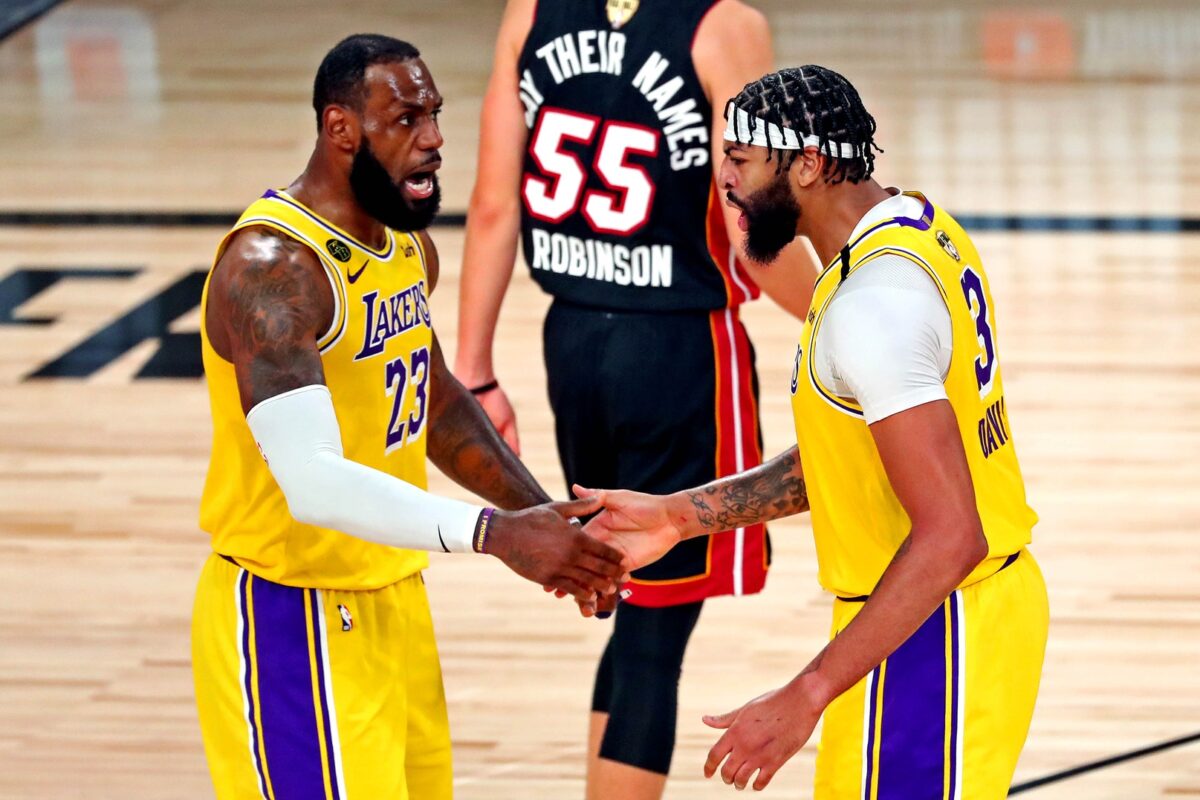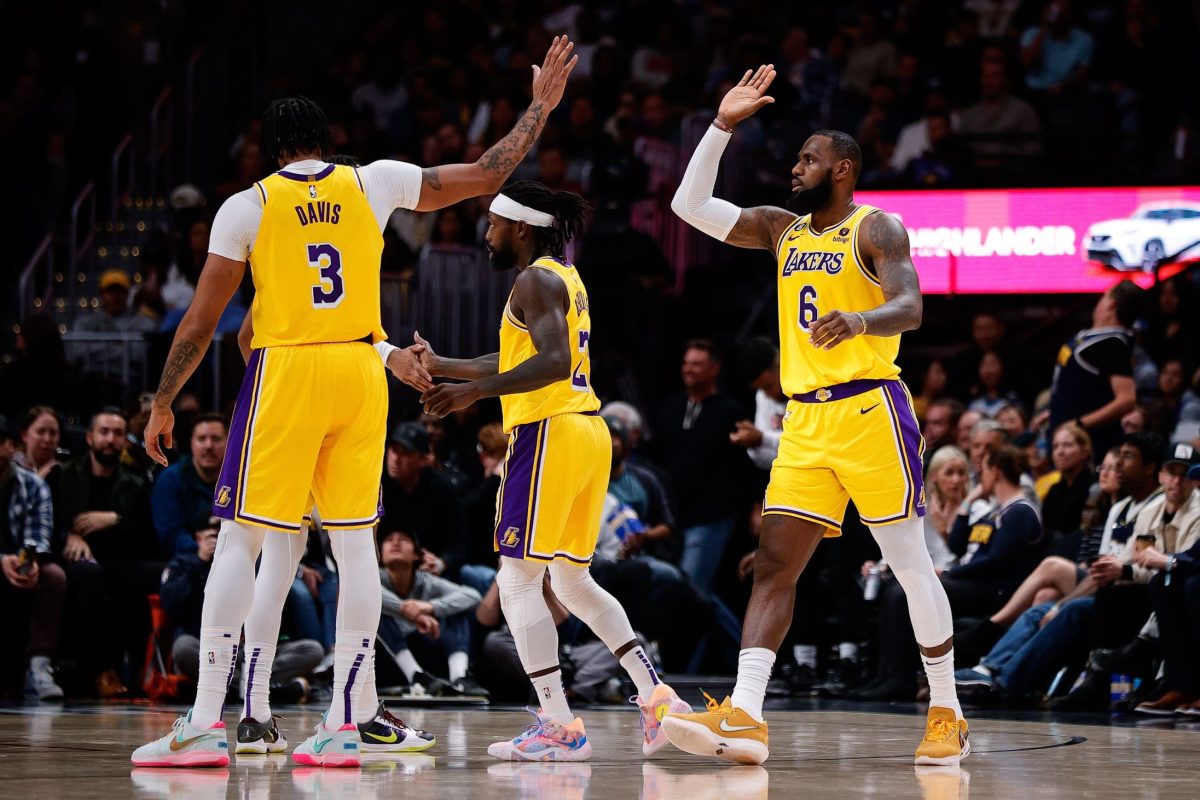


Kwame Brown is blaming LeBron James for Dalton Knecht’s development with the Los Angeles Lakers, arguing that the presence of Bronny James came at Knecht’s expense.
Brown made the allegation during an appearance on “The Basketball Show”. His criticism raises a question about how the Lakers have handled Knecht, though attributing a player’s development to one teammate requires more than a comparison of their roles.
“I thought LeBron James was a regular individual, and then I realized he’s a part of a group,” Brown began. “LeBron is a machine; it’s a marketing machine. He’s not an individual. And so, once I realized that, when you go up against a machine, it gives off toxic waste. So what makes it look good? It destroys things around it.”
“If you look at the careers that he’s destroyed – Westbrook, all the various things before he even started. You got Dalton Knecht, because of his son, he didn’t get a chance to develop. And he comes there with Andrew Wiggins as the number one draft pick; they make up stories about him to trade him for Kevin Love.”
Brown also cited Russell Westbrook and Andrew Wiggins in his broader criticism of James. For Lakers fans, however, the Knecht claim touches on a more immediate issue: how much opportunity a developing player should receive while trying to establish himself in an NBA rotation.
Dalton Knecht and Bronny James had different paths to minutes
The Lakers selected Knecht 17th overall in 2024 and Bronny 55th in the same draft. Looking at both seasons provides context that a single comment about development leaves out.
The following regular-season figures come from ESPN’s statistical records for Knecht and Bronny.
| Player | Season | Games | Minutes per game | Points per game |
|---|---|---|---|---|
| Dalton Knecht | 2024-25 | 78 | 19.2 | 9.1 |
| Dalton Knecht | 2025-26 | 54 | 10.2 | 4.2 |
| Bronny James | 2024-25 | 27 | 6.7 | 2.3 |
| Bronny James | 2025-26 | 42 | 8.9 | 2.9 |
That comparison invites closer examination of the circumstances behind each player’s usage. It cannot establish that a coaching decision involving one was made to benefit the other, and it does not measure everything that goes into development.
Season averages combine different situations, including games with different teammates available and different competitive demands. Evaluating favoritism would require evidence about the decisions themselves: who was available, what role needed filling and why the coaching staff chose a particular lineup.
The quoted portion of Brown’s criticism does not identify such a decision. It offers his explanation for Knecht’s situation, which should be weighed separately from the statistical record.
Knecht’s opportunity involves more than a comparison with Bronny
Lakers Daily’s August examination of the rotation placed Knecht and Bronny among several players competing for the remaining minutes. That analysis also included Jaden Hardy and Jarred Vanderbilt, illustrating how much wider the competition was than the two players Brown connected.
The same issue appears in the discussion of Matisse Thybulle’s potential role: Earning time requires a combination of skills that works with the other players on the floor. A lineup may need shooting in one matchup and a different defensive assignment in another.
For Knecht, a useful measure of progress would be whether he can earn a repeatable assignment, with enough continuity to build on his performances. That would give the Lakers a clearer basis for evaluating his place in the rotation and give him a clearer understanding of what keeps him on the court.
Brown has supplied an explanation for why Knecht has not developed as he believes he should. Establishing that explanation would require evidence connecting the James family to the opportunities Knecht received.