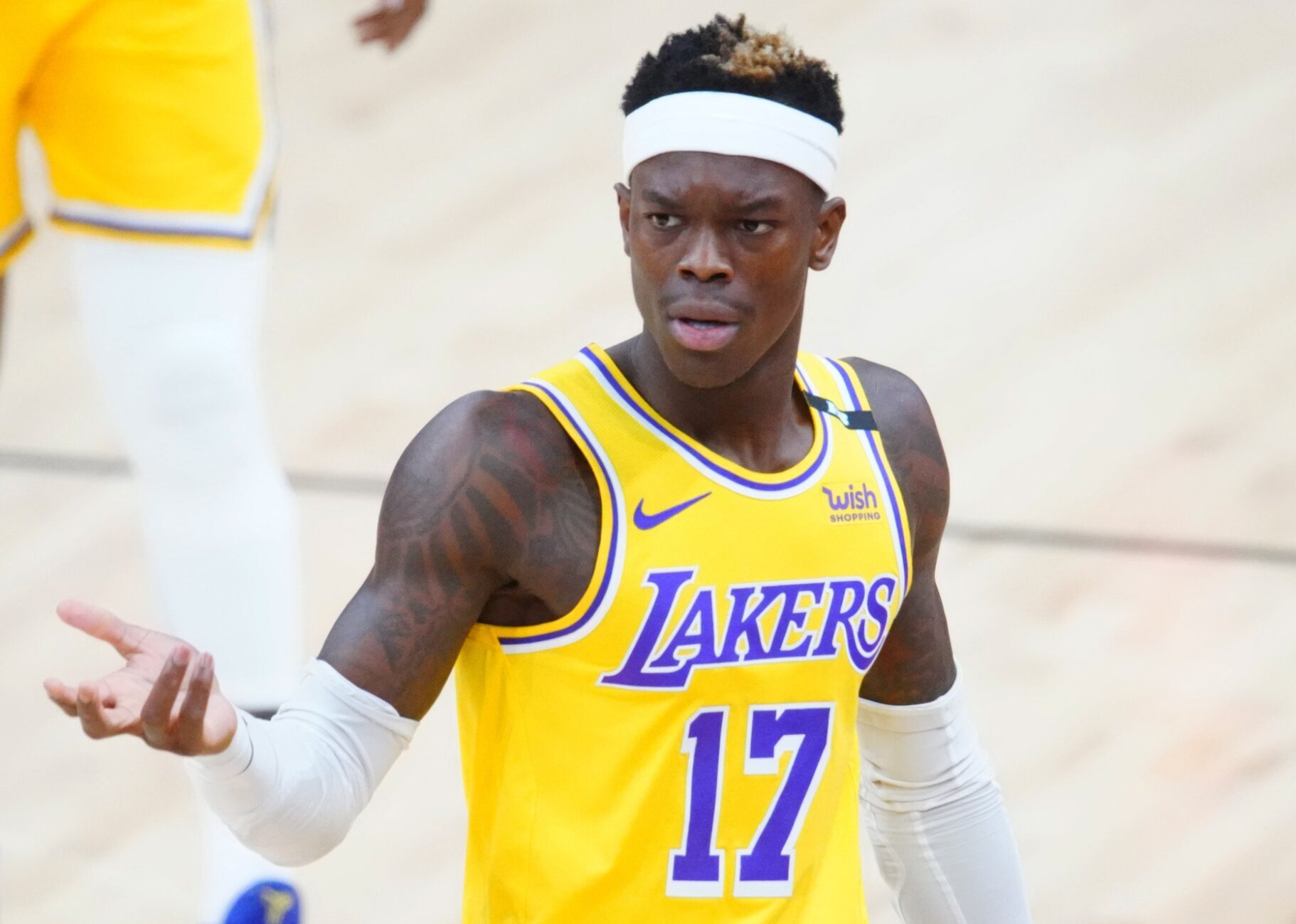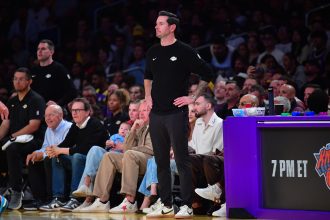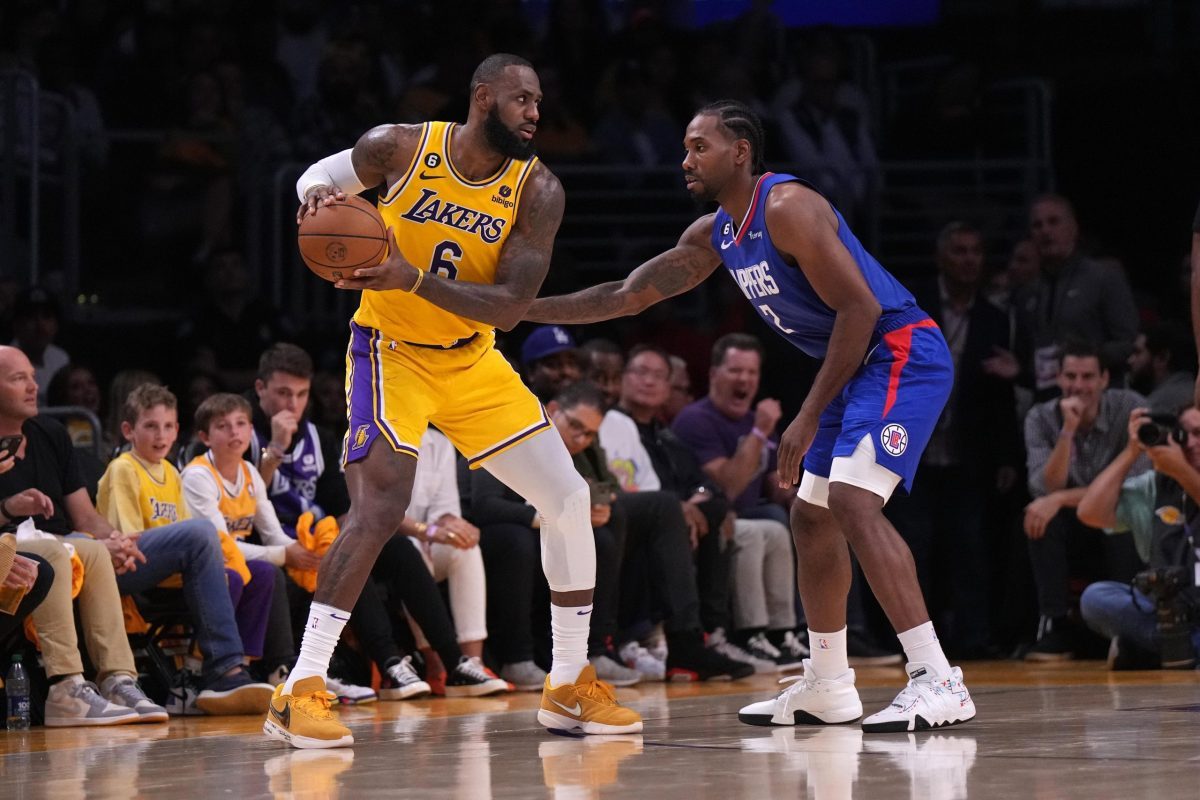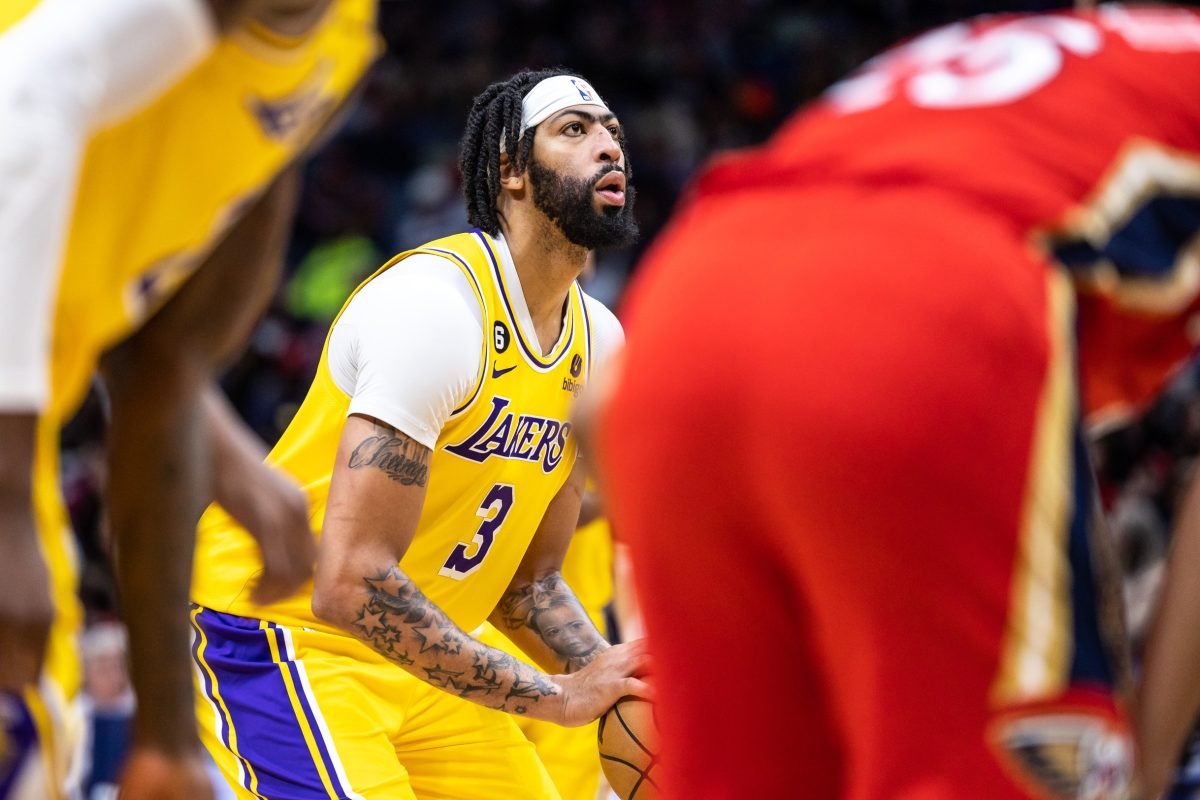

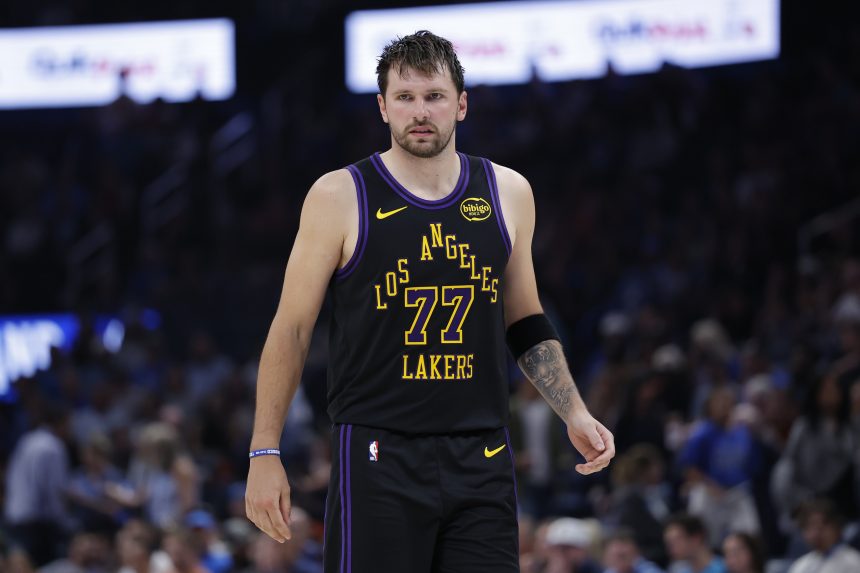
One year ago today, Luka Doncic sat beneath the retired numbers at the Lakers’ training facility in El Segundo, signed a three-year, $165 million maximum extension and told the room exactly what he was chasing.
“I want to be up there too one day,” Doncic said of the franchise greats hanging above him.
This weekend, on the anniversary of that promise, the coach who developed him spent a podcast appearance arguing that Doncic already belongs in the conversation with two of the greatest players ever to touch a basketball — including the one whose name looms largest in those rafters.
What Rick Carlisle Said About Luka Doncic
Rick Carlisle coached Doncic for his first three NBA seasons in Dallas, and during a lengthy appearance on The Draymond Green Show, the Pacers head coach went back to the very beginning of that relationship.
Carlisle described watching a 19-year-old Doncic step into his first Mavericks pickup games in the fall of 2018 against a veteran group that included DeAndre Jordan, Wesley Matthews and Harrison Barnes — and immediately controlling the floor as a passer and rebounder rather than hunting his own shot.
“God, this guy’s like a Magic Johnson type player,” Carlisle recalled thinking as he watched those first runs.
The comparison was not a throwaway line. Carlisle went on to describe Doncic as a player unlike anyone he has worked with across a coaching career that now spans four franchises, praising both the completeness of his skill set and the ruthlessness of his competitive wiring.
“He’s the most unique player I’ve ever worked with,” he said. “And he’s a killer competitor, too.”
Coming from a coach who has been around Hall of Fame talent since the 1980s, first as a player and then on the sideline, that is about as expansive as praise gets.
Why the Comparison Lands Differently in Los Angeles
National outlets have treated Carlisle’s comments as a fun bit of podcast content. In Los Angeles, the timing gives them real weight.
Doncic agreed to his extension on Aug. 2, 2025, in a press conference staged deliberately under the championship banners and retired jerseys, and he made the rafters the explicit measuring stick for his Lakers tenure. Magic Johnson’s No. 32 is one of the numbers he was pointing at.
12 months later, with LeBron James now in Philadelphia and the roster rebuilt entirely around Doncic and Austin Reaves, the 27-year-old enters this season as the unquestioned organizing principle of the franchise for the first time — and even Johnson himself has spent the summer publicly grading the team being built in Doncic’s image.
That is what separates Carlisle’s comparison from the usual legend-adjacent flattery that follows stars around. It comes from the coach who had the longest developmental view of Doncic in his NBA life, it describes a specific and observable style overlap — an oversized playmaker who bends games through vision before scoring — and it arrives at the precise moment the Lakers have wagered their entire post-LeBron direction on the idea that Doncic can carry what Johnson once carried.
The Larry Bird Layer
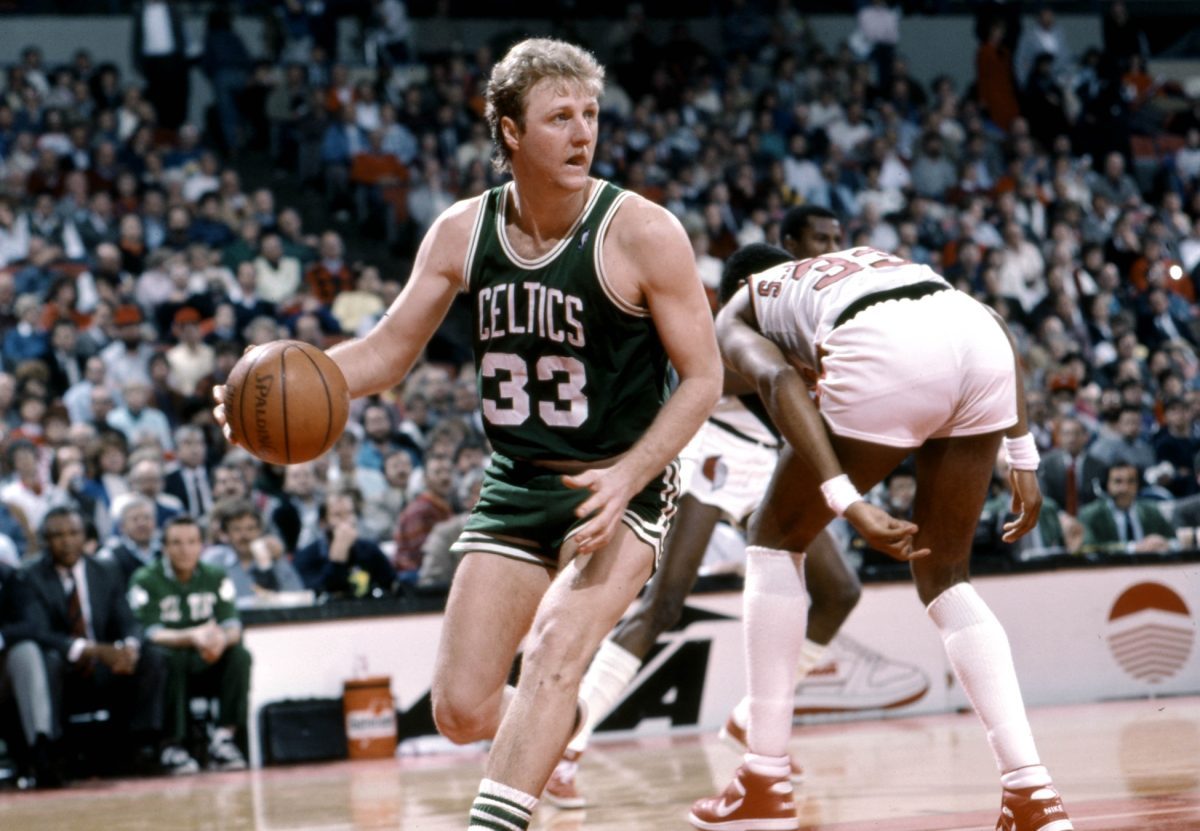
Carlisle did not stop with Johnson, and the second comparison may say more about how he actually evaluates Doncic. Carlisle spent three seasons as Larry Bird’s teammate in Boston in the mid-1980s, and when the podcast conversation turned to competitive temperament, he reached for Bird as the reference point for Doncic’s edge — the running commentary at opponents, the swagger, the visible joy in making the game personal.
“Guys like Bird, I’m trying to think of somebody today who’s like that,” he said. “Luka, Luka’s got a lot of that. He has fun with the game. He talks s—. He’s brash, all that kind of stuff. Larry did it a little more under his breath at times. Other times he stepped up, he got in fights and other stuff like that, but as a competitor, I put him up there with Jordan and all the greatest guys, Russell.”
The distinction matters because the two comparisons describe different things. The Johnson parallel is stylistic: size, vision and the instinct to create for others first.
The Bird parallel is temperamental, and Carlisle framed Bird’s competitiveness as belonging with the absolute top tier of players he has ever been around. In Carlisle’s telling, Doncic carries a meaningful share of both — the Showtime playmaking and the Boston menace — which is roughly as complete an endorsement as a coach of his generation can offer.
There is some irony in the man who once ran the Pacers for Bird now handing a Laker the Bird seal of approval, and longtime fans of the rivalry will enjoy that wrinkle. But the substance is the point: The coach who knew Doncic before anyone else in the NBA sees traits from both halves of the league’s defining 1980s rivalry in one player, and that player now belongs to Los Angeles.
The Standard Those Names Set
Comparisons like these come with arithmetic attached, and the arithmetic is demanding. Johnson had won three championships before his 26th birthday and finished with five, all in a Lakers uniform.
Bird had two by 27 and added a third at 29. Doncic, who turned 27 in February, has an NBA Finals appearance with Dallas and a resume full of All-NBA seasons — he led the league in scoring last season — but the championship column is still empty, and last spring ended with a second-round sweep against Oklahoma City.
The Lakers’ answer to that gap has been structural. The front office spent July reshaping the roster into something younger and more defensively versatile around its franchise player, adding Walker Kessler, Quentin Grimes, Collin Sexton, Marcus Smart’s replacement pieces and a deeper bench mix.
Doncic’s answer has been personal: Later this month he is hosting the entire roster for a four-day minicamp in Slovenia, an act of ownership over the locker room that reads as its own kind of Magic Johnson tribute. Johnson led by making everyone around him feel essential; Doncic is beginning his first season as the Lakers’ singular star by flying his teammates to his home country to build that same fabric.
None of it guarantees anything, and Carlisle would be the first to say so. Comparisons from July podcasts do not defend anyone in May. But the sequence of the past year tells a coherent story: Doncic committed to the Lakers and named the rafters as his target, the organization tore its roster down to build around him, and now the coach with the deepest history of anyone in his basketball life is publicly placing his talent and temperament alongside Johnson and Bird.
A year ago, Doncic said he wanted his name up there one day. The people who know his game best are starting to talk about him as if the question is when, not whether — and the season that begins this fall is the first one where the Lakers, from the front office to the rafters, belong entirely to him.